 +49(0) 2645 95 25 0

Advantages of CFCs in high-temperature environments
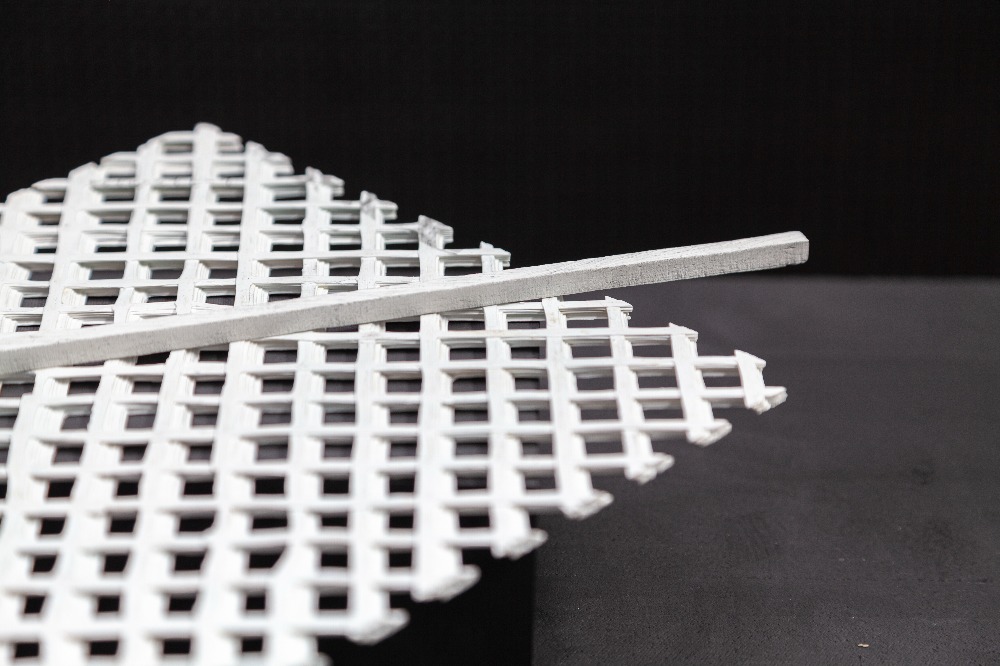
Carbon-reinforced composites, also known as CFCs, consist of two main components: Carbon fibers and one Carbon bond structure, which can consist of pitch, resin, or both. The carbon fibers are very thin strands with a diameter of 0.005–0.020 mmThe bundled structure, woven into 6K (6,000 strands in a bundle) or 12K (12,000 strands in a bundle), offers high mechanical strength and thermal conductivity. As the number of strands per strand or bundle decreases, the system's strength increases. Therefore, a 6K system has higher mechanical strength than a 12K system.
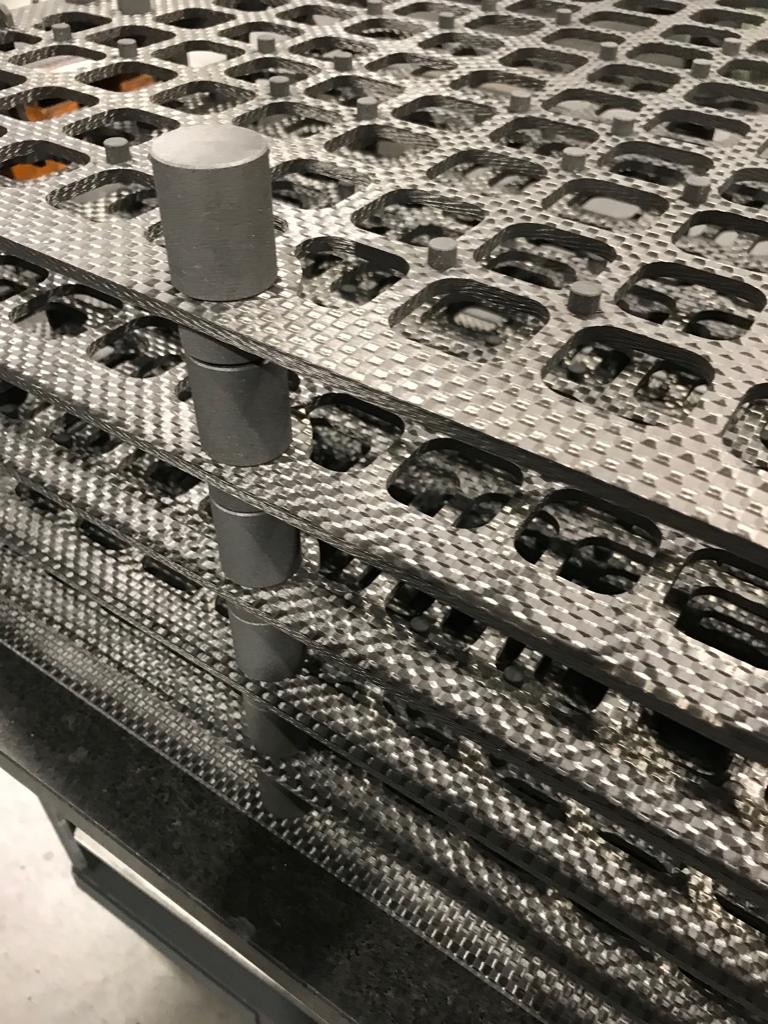
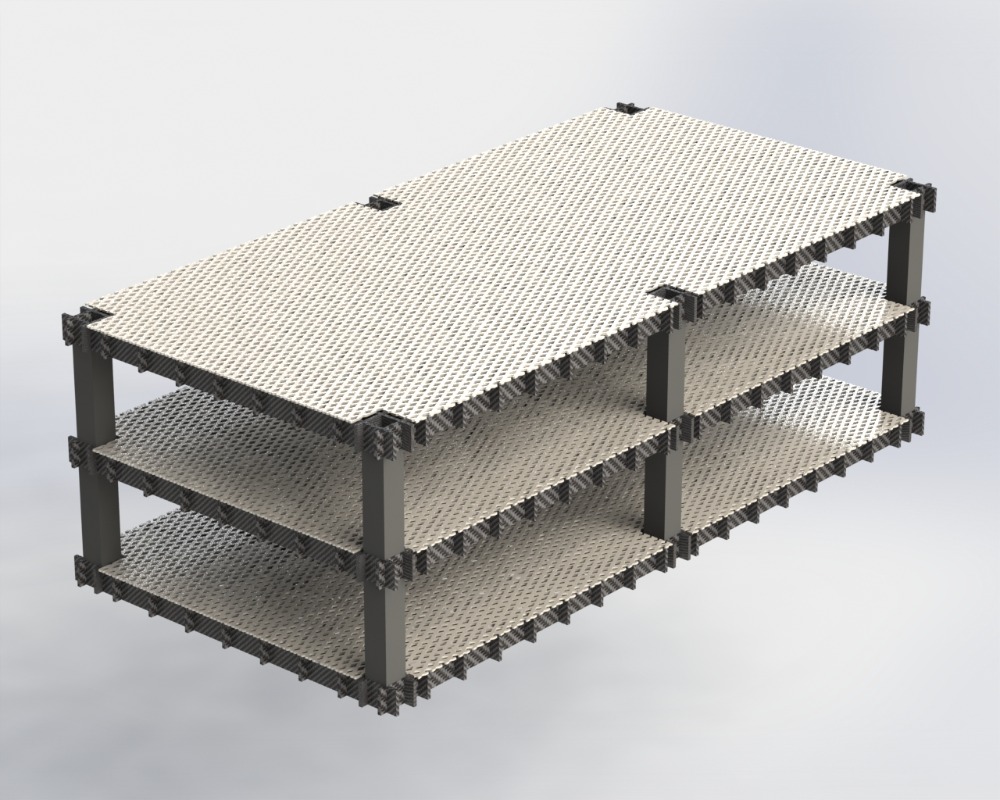
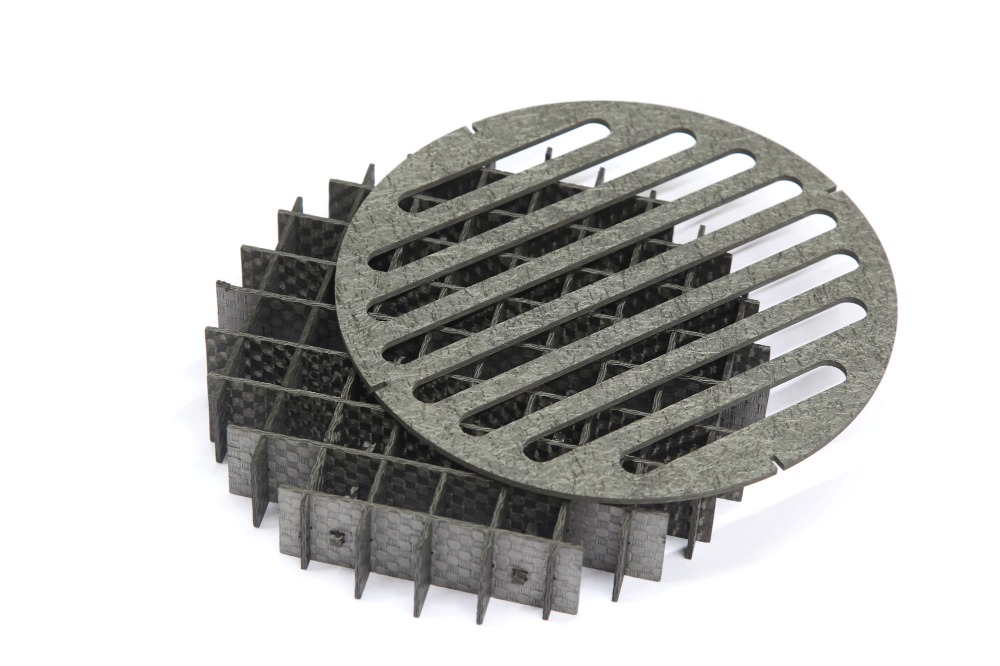
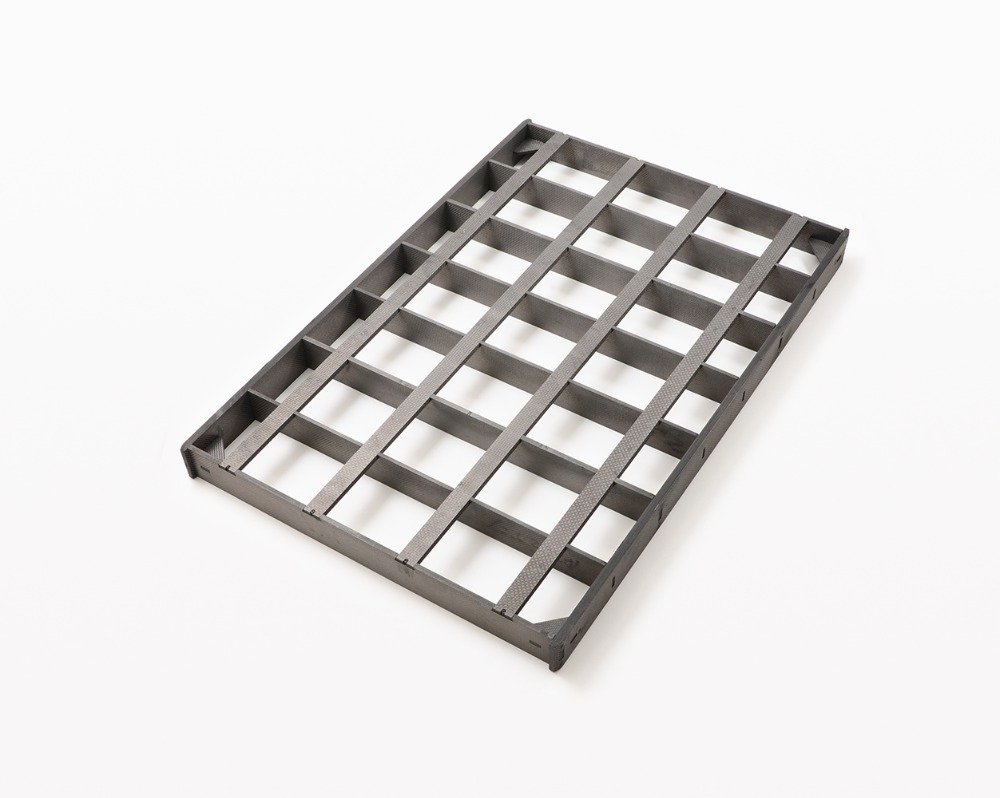
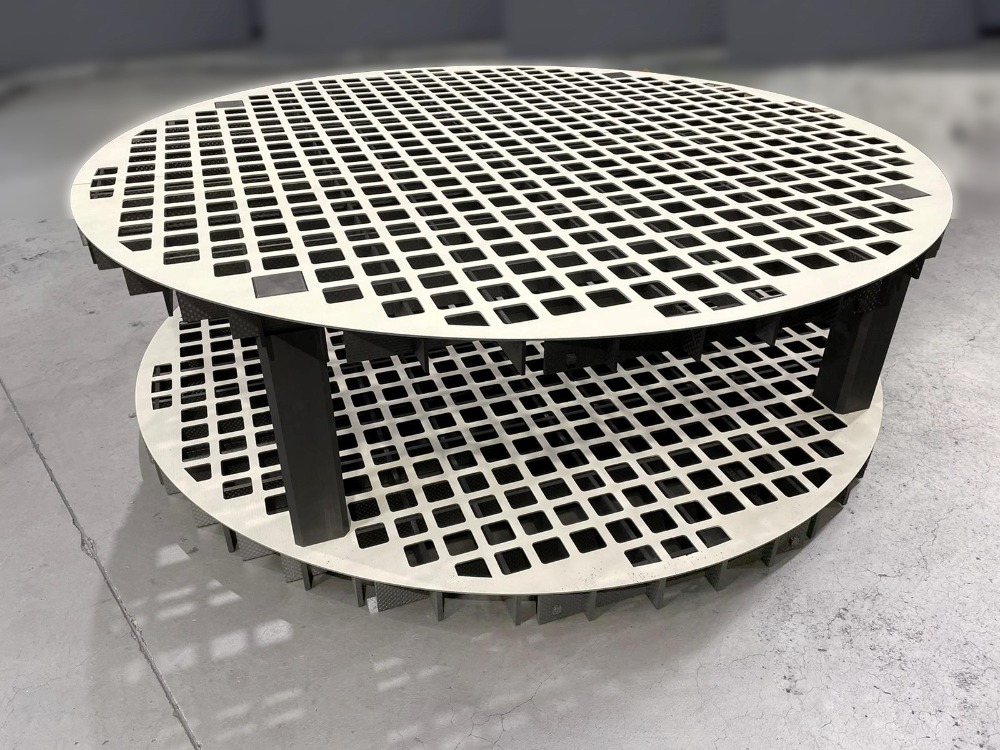
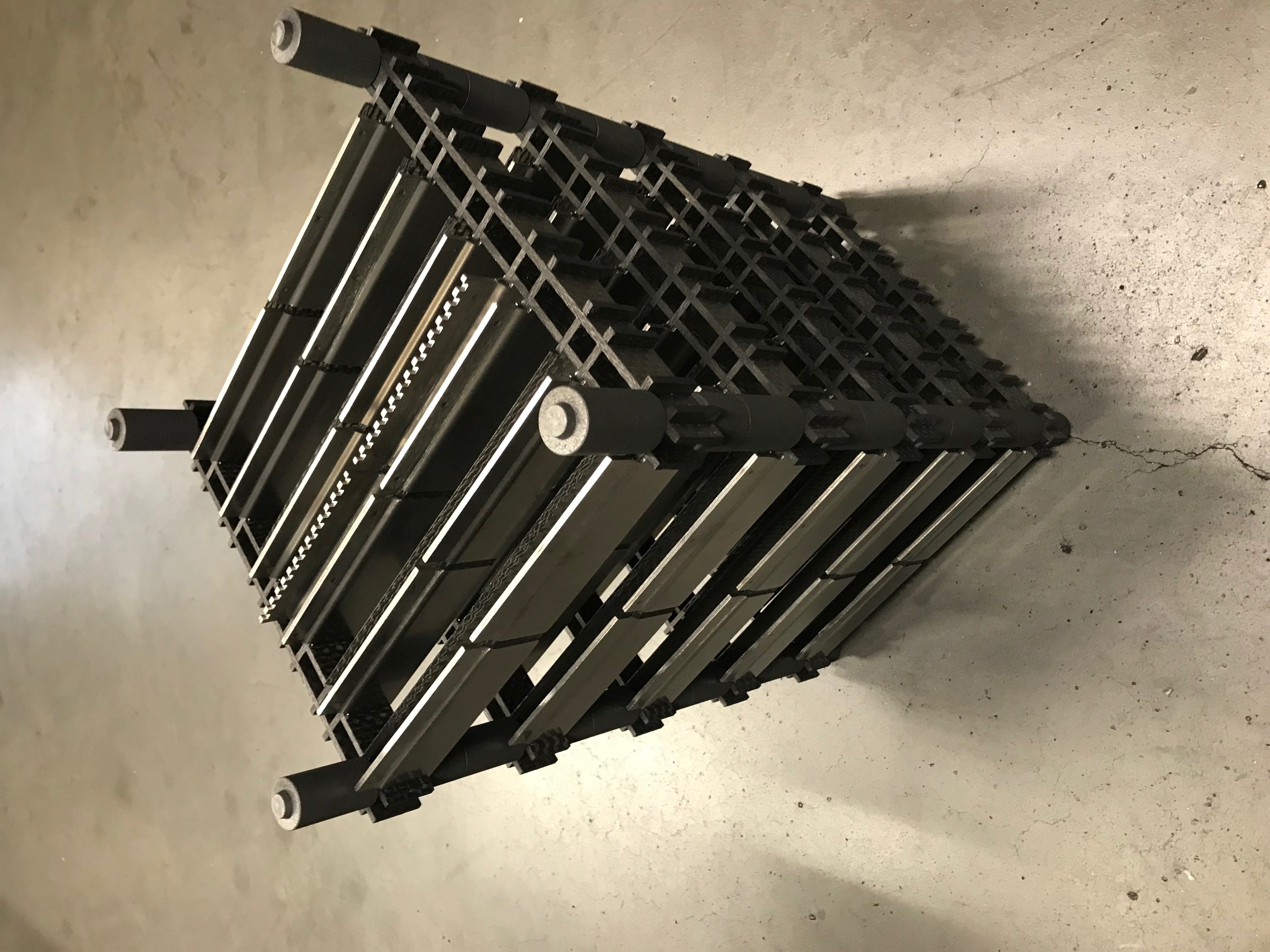
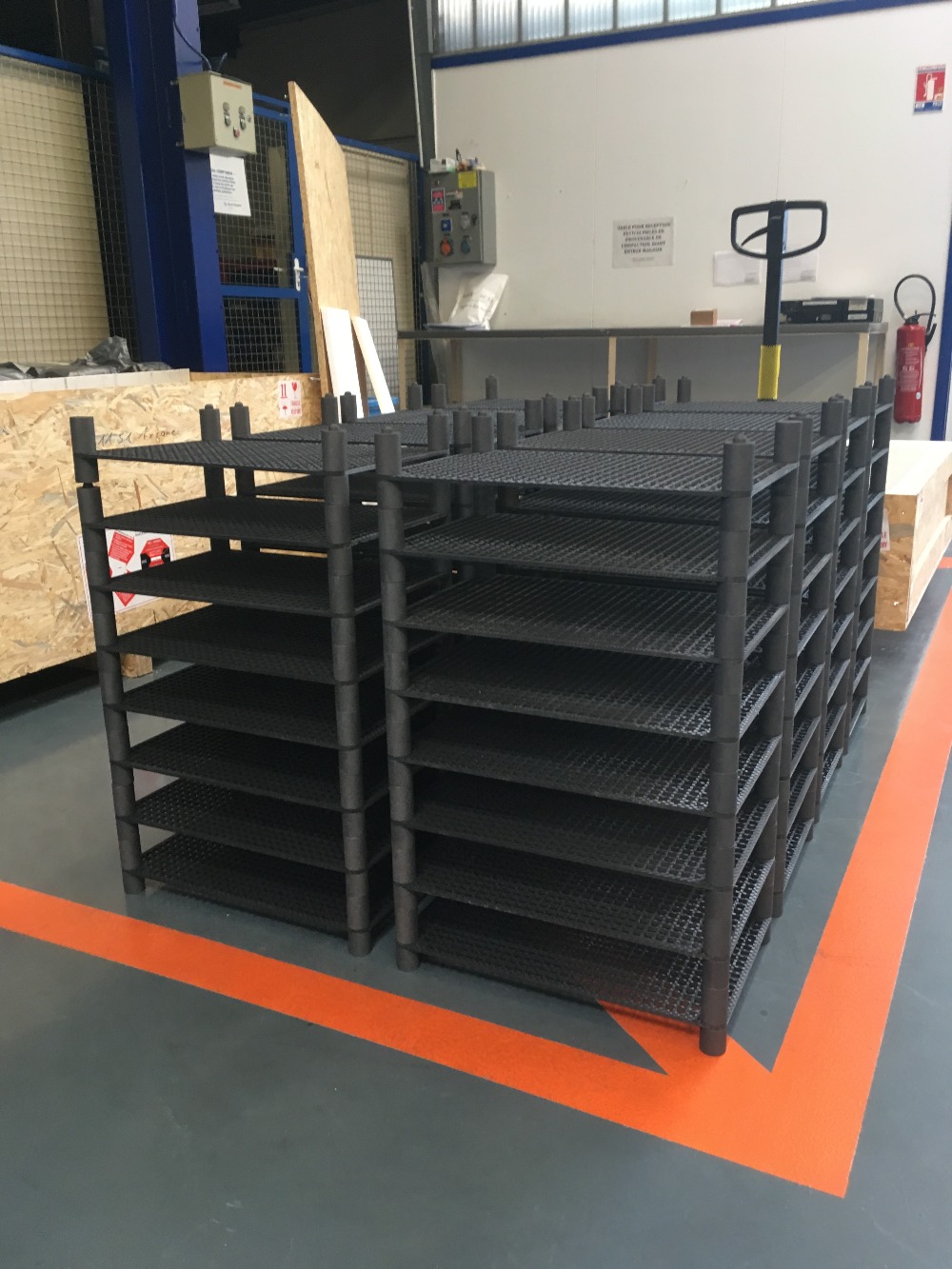
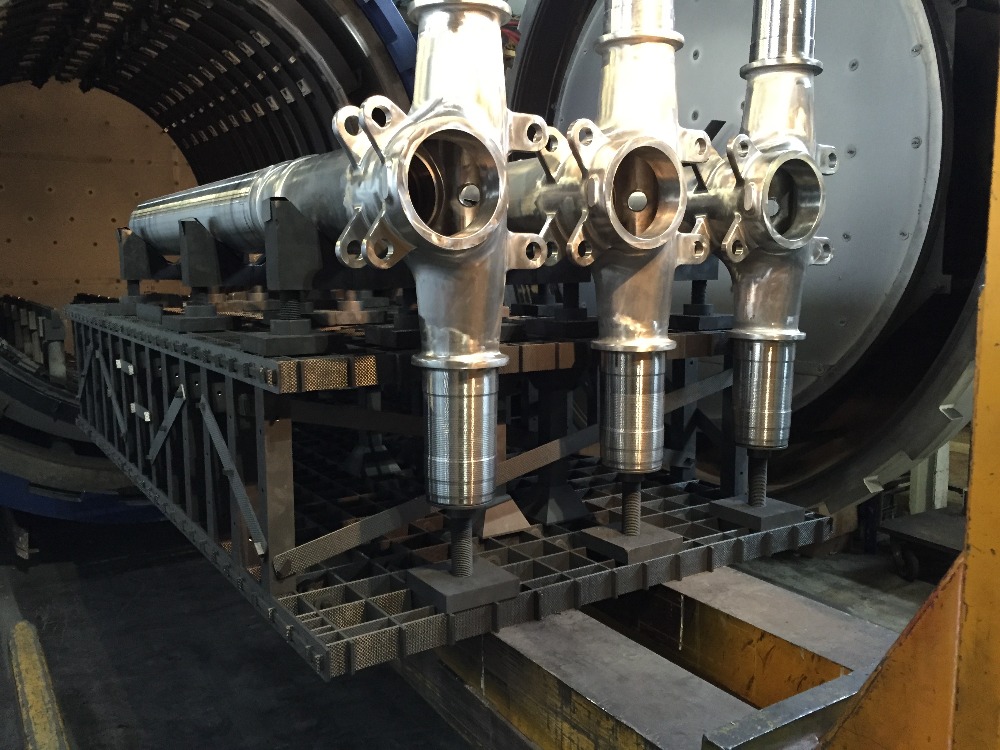
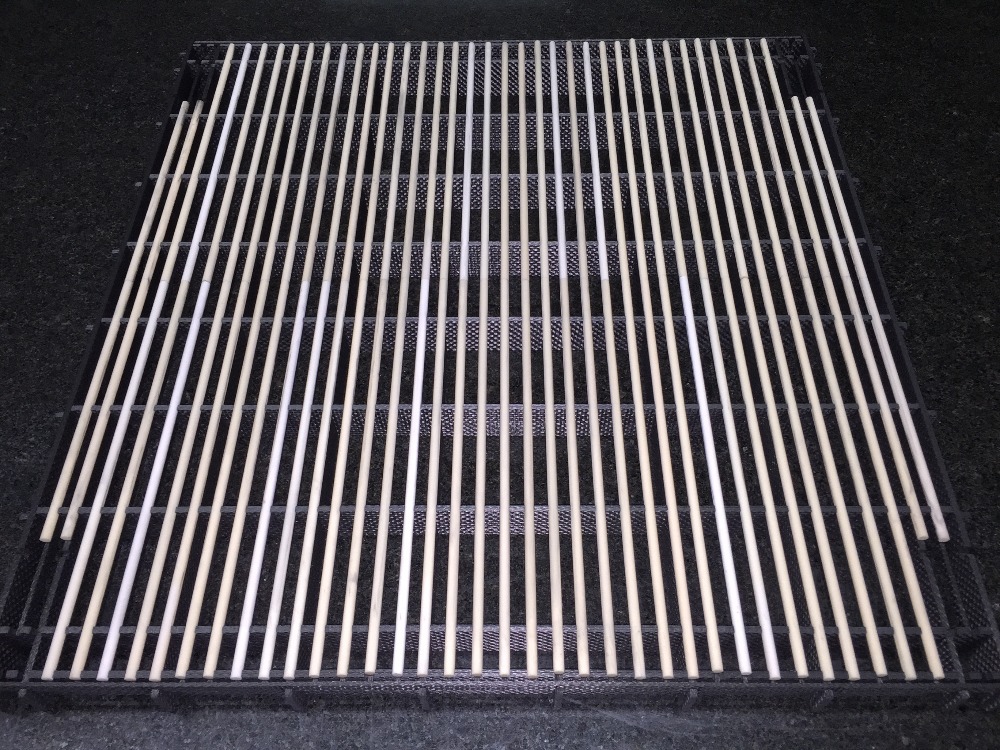
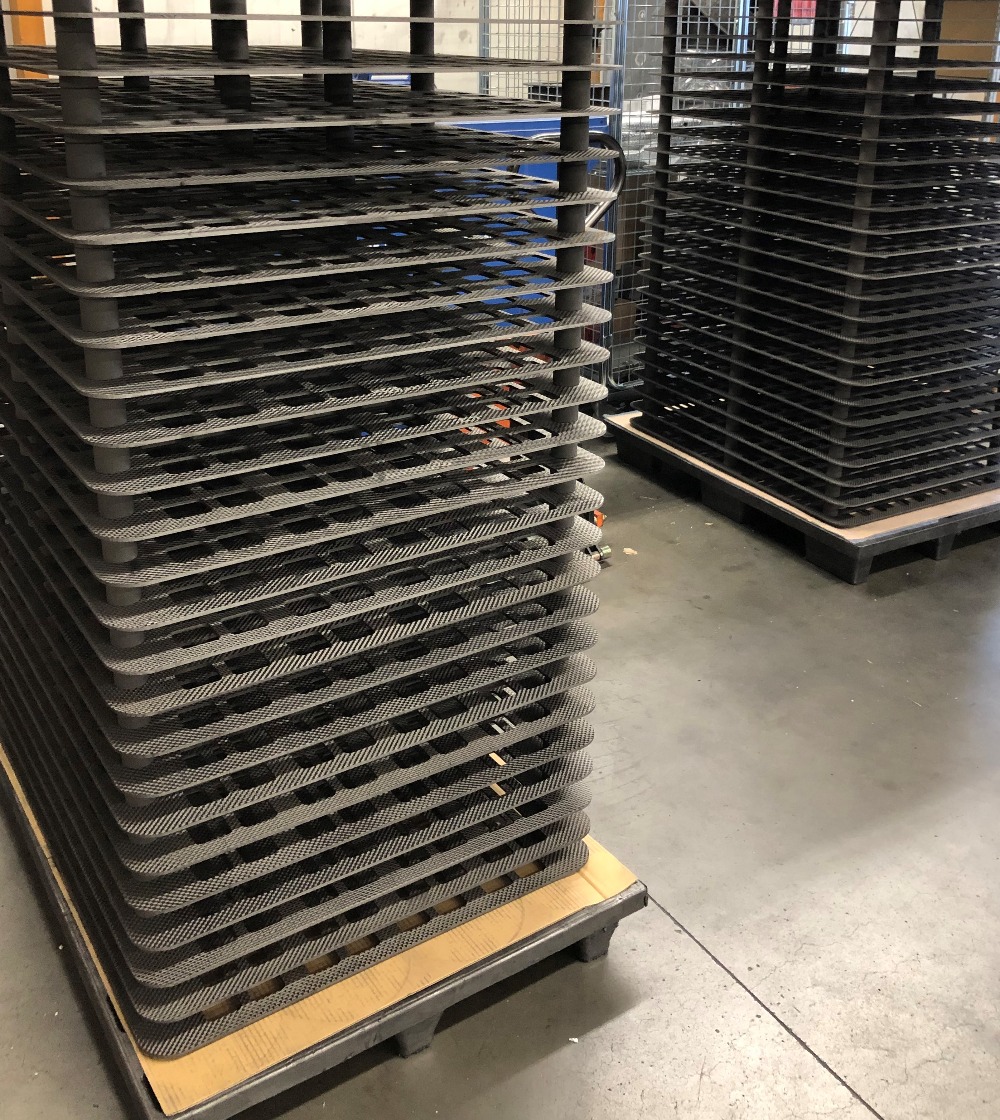
Charging racks made of CFC
Since carbon composites exhibit low thermal mass and very low thermal deformation, they are ideally suited for use in devices and charging systems for high-temperature vacuum or inert gas atmospheres. The composite material typically has purity levels of 300–500 ppm, but this can be reduced to <20 ppm by high-temperature purification.
Economic benefits
- Low thermal mass allows for rapid heating and cooling.
- Energy reduction with each cycle
- Increased load-bearing capacity
- Possibility of repairing spare parts for a frame & recoating
- Reduced weight = reduced risk of accidents during handling
Our services
- On-site visit to assess the existing system
- A 10-question checklist to ensure that all parameters are recorded and clarified.
- Custom-designed CFC charging racks for your application
- Retrofitting existing CFC or steel racks
- Coating options with BN, AI2O3, SiC & PyC; purification <5ppm
- Repair and recoating of existing and used CFC charging racks
- Application consulting based on our many years of experience
Technical advantages
- Mechanical strength increases with temperature.
- Improved results through precise load distribution
- High stability combined with resistance to temperature changes (no deformation)
- Combination of stainless steel-based charging plate with CFC charging rack possible
- Tailor-made design for your specific application – to optimize your process




Nippon Kornmeyer Carbon Group GmbH © 2026